



.png)



If you haven't already, we know you will fall in love with South East England, with its eight diverse counties to explore, all perfectly wrapped around London, making it easy to combine with a trip to and from the capital. Looking for things to do in South East England this summer? You’re in the right place.
Summer holidays in South East England
Summer is the perfect time to experience the very best of South East England, with endless things to do, beautiful coastlines and memorable family days out waiting to be discovered. From its award-winning beaches and charming seaside towns to countryside adventures, vineyard tours and vibrant festivals, there are plenty of ways to enjoy summer holidays in the UK. Whether you’re planning a day trip, weekend break or a longer UK staycation, you’ll find inspiration for every kind of getaway. With family-friendly attractions, outdoor activities and free things to do, the region offers something for everyone – making it one of the top destinations for UK summer breaks.
Places to stay in South East England
Turn your day trip into a relaxing UK staycation. Choose from coastal hotels, countryside cottages, family-friendly holiday parks and boutique escapes, you'll find accommodation to suit every type of getaway. For something a little different, spend time in the great outdoors with a glamping or camping holiday in South East England. Wake up birdsong, explore open spaces, toast marshallows under the stars and create unforgettable family memories long after summer has ended.
Best Beaches in South East England for families
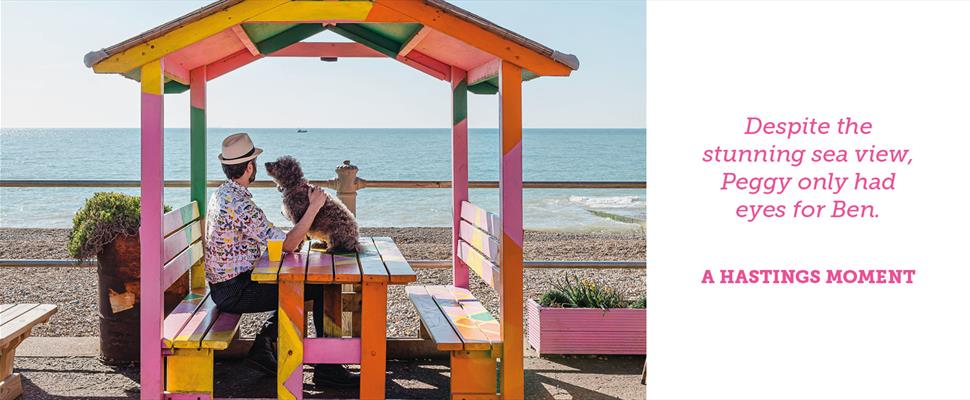
Looking for the best beaches in South East England? Nothing says summer like a day by the sea. Discover sandy shores, hidden coves and classic seaside fun, from the iconic seaside resorts of Portsmouth, Sandown and Hastings, to the quieter coastal gems of Deal, Hythe and Rye, there's a beach for every kind of day out. Enjoy everything from paddling to picnics, watersports to scenic coastal walks . Explore traditional seaside towns in the UK, where ice creams, promenades and family fun await, alongside picture-perfect villages full of character. Wander historic streets, browse independent shops and enjoy relaxed summer days in some of the most beautiful places to visit in South East England.
Family days out in South East England this summer
Wondering what to do with the kids this summer? Make the most of the school summer holidays in the UK with unforgettable days out for all ages. Discover top family-friendly attractions, from outdoor adventure parks and wildlife centres to interactive museums and historic sites. Whether you’re planning a full day of fun or a spontaneous outing, there are countless things to do with kids in South East England. Great days out don't have to cost the earth with our latest special offers and discover free and affordable family days out in South East.

What’s on in South East England this summer
Summer is packed with exciting events in South East England, from outdoor theatre to food festivals, live music to seasonal events and a host of family-friendly activities. Plan ahead and discover what’s on this summer, including school holiday events and special celebrations across the region. Plan something special this Father’s Day (Sunday 21 June) with memorable day trips, great places to eat and unique experiences to enjoy. From countryside picnics to steam train rides, car shows and outdoor adventures, there are plenty of ways to spend quality time together.
Outdoor dining in South East England
Summer is the season for long lunches and relaxed evenings outdoors. Discover the best places to eat in South East England, from seaside cafés and family-friendly pubs to vineyard picnics and fine dining experiences. Celebrate English Wine Week (20–28 June) with vineyard tours, tastings and scenic countryside views. The South East is one of the UK’s leading wine regions, offering unforgettable vineyard experiences and wine tasing in England.
Make this your summer to remember
From golden beaches and family adventures to relaxing escapes and unforgettable experiences, South East England is the perfect destination for your summer holidays in the UK. Visit our blog to discover things to do,travel tips and summer holiday ideas in the South East, designed to help you make the most of your time in the destination. Follow us on Facebook, Instagram and Threads or visit our YouTube channel - it’s a great way to see what summer adventures await. Our newsletter is packed with inspiration, travel ideas and updates for the UK school holidays, delivered straight to your inbox so you never miss a thing. If its the first time you are visiting, explore our maps and travel information to help you plan your perfect South East England getaway.
If you have trouble viewing the above sign-up form on mobile, please click here.