




.png)

Fingest
Wycombe
Type:Towns & Villages
Oxfordshire

Wycombe
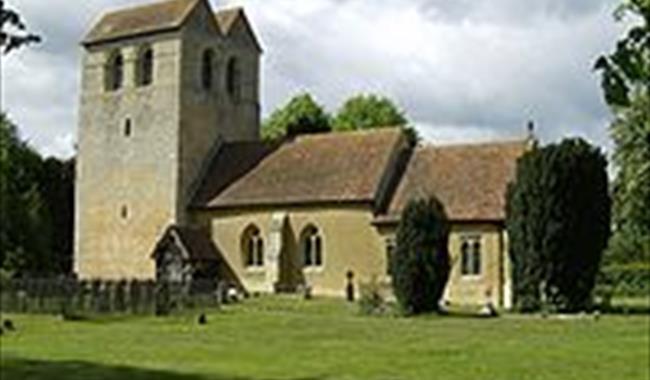
Fingest is often described as the perfect example of an unspoilt village, with medieval and Georgian cottages clustered around the churchyard, nestling in the Chiltern Hills.
The village name of Fingest comes from the Anglo Saxon name Tinghurst, meaning 'wooded hill where assemblies are made'.
The manor of Fingest anciently belonged to St Albans Abbey, though in 1163 it was given to the bishop of Lincoln. After this time it was used as the country residence for the Lincoln diocese until 1547 when it was seized by the Crown. It was then given two years later to the Duke of Somerset who exchanged it with a property belonging to Wells Cathedral. The manor is now privately owned.
The tower of St Bartholomew's Church dates from the early Norman period and has a double vaulted roof.
The 15th century Chequers pub, opposite the church, is cosy and traditional with large open fires and french doors which open into the big garden with fine views over the Hambleden valley.
This is good walking country with quiet pastures sloping up to beech woods and you can make your way on foot from here to other equally characterful Chiltern villages.
Caves dug into chalk hillside extending to approximately 0.75 mile. Enter through a flint…
Oaken Grove Vineyard is a family-run boutique vineyard which produces award winning…
In this secluded valley high in the Chilterns you will find a mosaic of habitats from…
Discover an Oxfordshire dreamscape as you walk to the top of Watlington Hill, where you…
Barn Galleries is a family business founded in 1991 with our first exhibition, ARTSPACE.
Hobbs of Henley offers river cruises in Henley‑on‑Thames, providing a relaxing and…
Hobbs of Henley offers boat hire on the River Thames in Henley‑on‑Thames, providing a…
The Chinnor and Princes Risborough Railway is an award-winning heritage railway steaming…
Pay a visit to the oldest horse charity in the world, established in 1886 to help the…
Welcome to Henley Golf Club in Oxfordshire, a traditional member's club, situated just a…
Corporate experiences designed to connect your teams. Forget dull away-days or too many…
The Stanley Spencer Gallery is devoted to the work of one of Britain’s greatest painters,…
Established in 1994 and set in the beautiful Oxfordshire countryside.
Checkendon…
Gigs, comedy, film, theatre, gallery, classes, cafe bar. Since September 2000, Norden…
Fly a Spitfire simulator at this local museum which covers local history from the Romans…
Set on the River Thames, the historic Mill at Sonning Theatre has over 40 years of…

© Visit South East England 2026. All Rights Reserved