




.png)

Wakehurst
Mid Sussex
Type:Garden
Selsfield Road, Ardingly, Haywards Heath, West Sussex, RH17 6TN
Tel: 01444 894066

Mid Sussex
Tel: 01444 894066
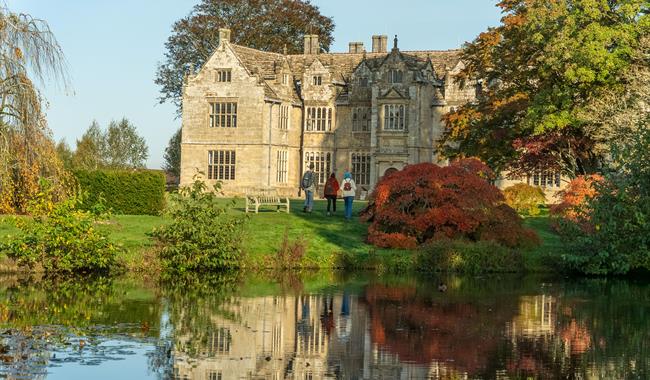
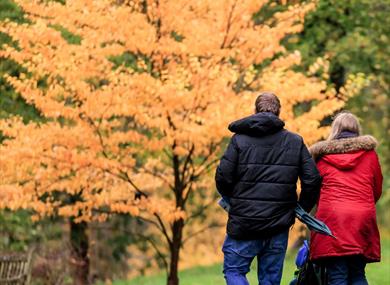
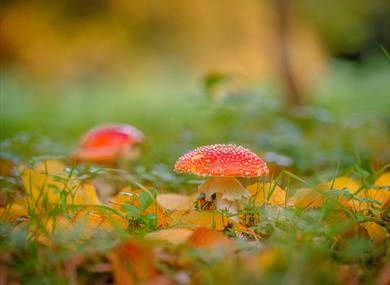
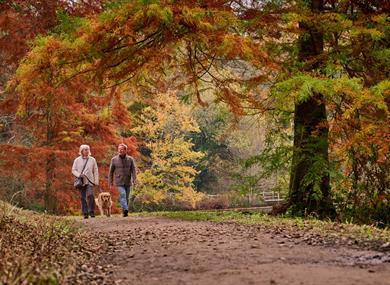
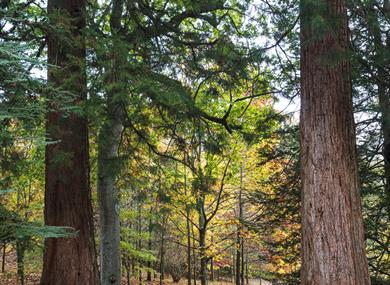

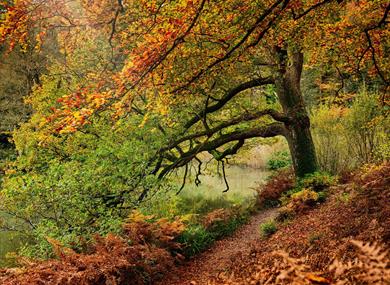
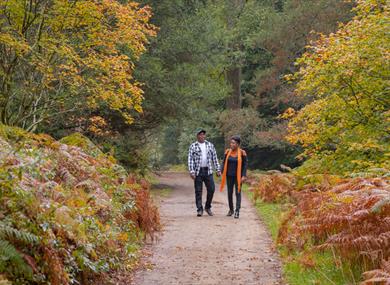
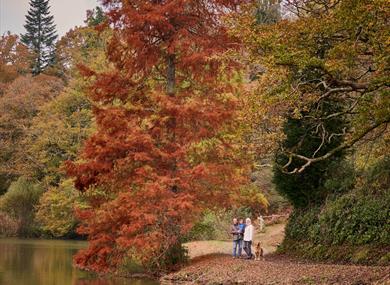
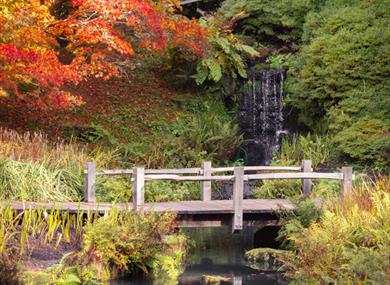
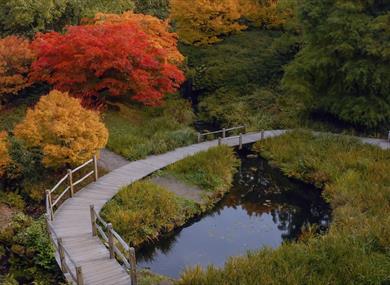
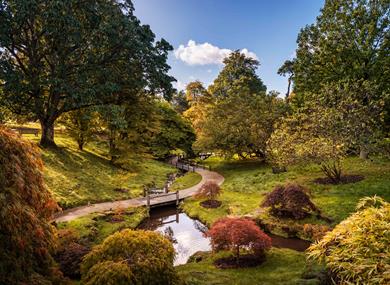
Have a day out like no other at Wakehurst, Kew's wild botanic garden. With over 500 acres to discover, Wakehurst is home to a dramatic and diverse landscape, ranging from ornamental gardens to temperate woodlands, wildflower meadows and the Loder Valley nature reserve. Spot the wildlife and year-round colour in our valleys, featuring rare plant collections from around the world. Beautiful whatever the season, explore the wilder corners of the landscape to discover some of the quietest, most beautiful spots.
Don’t miss Kew’s world-famous Millennium Seed Bank, the most biodiverse place on Earth, now celebrating 25 years. Visit the largest wild seed conservation project in the world, see Kew scientists at work and learn about the essential conservation of plants and fungi. Step into the shoes of a seed scientist and try banking your own seed with our new Bank a Seed installation.
The Elizabethan Mansion is now open with newly restored exhibitions spaces to explore, including the Billiard Room, where immersive storytelling uncovers the layers of Wakehurst’s history, and the Chapel, which traces the origins of the Millennium Seed Bank and the transformation of Wakehurst into a ‘living laboratory’. Visitors can step into the Library, beautifully reimagined as a peaceful retreat where visitors can pause and soak in the Mansion’s unique atmosphere.
There’s plenty to do for all the family, whether it’s learning about the impressive botanic collection, relaxing with a coffee, or letting children run wild in natural play spaces such as Tree Trunk Trek and Wild Wood. Join us in the school holidays for fun, outdoor trails where kids can earn a new Nature Heroes badge each time!
We are also welcoming your canine companions along our dog-walking route, so you can all enjoy a dog walk with a difference!
| Ticket Type | Ticket Tariff |
|---|---|
| Adult | £18.50 per ticket |
| Children 16 and under | Free |
| Young person (17-25) | £9.25 per ticket |
Wakehurst and Kew members: Unlimited entry
National Trust members: Free entry (car parking charges apply)
 Mansion Concerts: Music of Bridgerton at Kew Wakehurst, SussexInspired by the world of Bridgerton and set in a wild botanical garden, this open-air concert at Kew Wakehurst, reimagines modern music through a classical lens with chart-topping hits transformed into a stunning string performance in the West Sussex countryside.
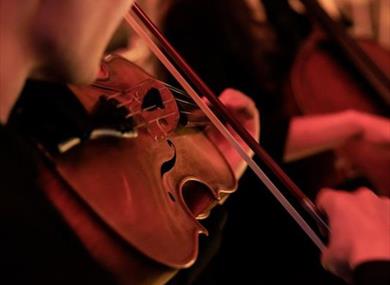 Mansion Concerts: Vivaldi Four Seasons at Kew Wakehurst, SussexSet against Wakehurst's iconic Elizabethan Mansion and surrounding gardens, this is an open-air classical experience that brings the feel of a major city concert to a botanical setting in West Sussex.
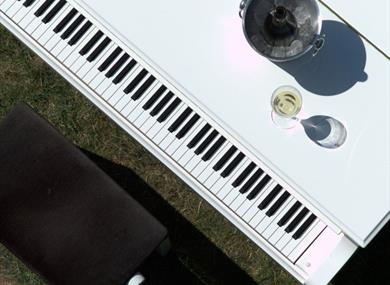 Mansion Concerts: A celebration of Jane Austen in words & music at Kew Wakehurst, SussexExperience Jane Austen as you've never seen her: her voice, her music, her world. Featuring actor Nina Wadia OBE, soprano Claire Booth and Andrew Matthews‑Owen on piano, this open‑air performance blends her letters with music by Handel, Mozart, Beethoven and more, all set in the magical…
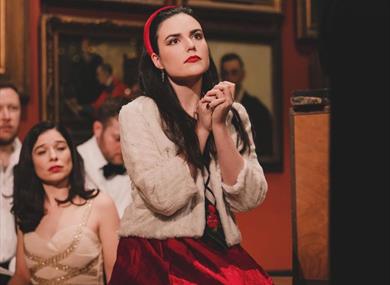 Mansion Concerts: A Night at the Opera at Kew Wakehurst, SussexExperience an evening of opera under the twilight sky at Kew Wakehurst. Arrive early to enjoy a picnic of your own or sample food and drink from our on site bar and street food, then settle into your seat in front of the Elizabethan Mansion as breathtaking arias and irresistible crossovers fill the…
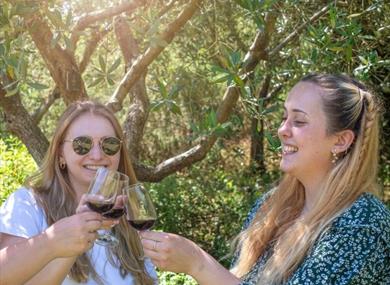 Wine Walk: The Henry Moore Edition at Kew Wakehurst, SussexHear from wine experts, horticultural specialists and art hosts at the Henry Moore Wine Walk, an after-hours wine walk through Wakehurst's most stunning landscapes and iconic sculptures. Sip, stroll, and discover art and nature in a uniquely relaxed summer evening in partnership with Artelium Wine…
 Silent Disco in Nature at Kew Wakehurst, SussexSlip on your headphones and choose your channel as the music takes over Wakehurst's wild botanic landscape. Wander, dance or drift through the gardens as they light up after dark. Experience this unique opportunity to lace up your dancing shoes in the West Sussex countryside.
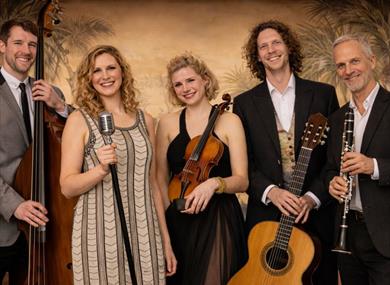 Mansion Jazz: Joie de Vivre at Kew Wakehurst, SussexFeel the rhythm, soak up the atmosphere, and let the evening unfold at Wakehurst. Enjoy an open‑air picnic concert in a stunning landscape, and take in the chilled sunset lounge vibes with live bossa nova and Latin jazz all in the West Sussex countryside
 Mansion Jazz: Claire Martin at Kew Wakehurst, SussexEnjoy an enchanting open-air concert from one of the UK's finest jazz talents. Combining world-class music with the natural beauty of Wakehurst's wild botanic garden. This event offers a unique chance to savour the best of summer.
 Code of Practice 2011
 Beautiful South Awards Winners 2021/22 - Silver 2022
 Beautiful South Awards Winners 2023/24 - Silver 2023
 Beautiful South Awards Winner 2024/25 - Commended 2025
 Tourism South East Member 25/26 - Bronze 2025
| 2026 (1 Jan 2026 - 31 Dec 2026) |
|---|
* 1 March to 26 October
10am to 6pm (last entry 5.30)
27 October to 28 February
10am to 4.30pm (last entry 4pm)
On selected dates over November and December, Wakehurst will be closing at 3pm for our Glow Wild event.
The Priest House sits on the western edge of Ashdown Forest in the picturesque high Weald…
Located between Haywards Heath and Balcombe, the Ouse Valley Viaduct offers a dramatic…
A historical formal Garden, woodlands, lakes, parkland and adventure playground.
Event…
High Beeches Woodland and Water Garden is a beautiful, tranquil and historic garden of…
Located in South-East Crawley you can find us nestled in popular Tilgate Park. Go Ape…
One of the great Gardens of the Sussex Weald with a collection of rare and beautiful…
A trip to the National Cat Centre, set in delightful woodland, is a memorable experience…
A beautiful stone Jacobean almshouse round a quadrangle. Galleried Founder's Hall with…
Founded in December 1888, it is one of the longest established golf clubs in Sussex. A…
Step back in time to the Steam Age by climbing aboard one of the lovingly preserved…
Sheffield Park and Garden is a Grade-I listed landscape garden with surrounding historic…
Ifield Watermill is a working corn mill. It demonstrates continual land use from the…
Pastel artist specialising in Ashdown Forest and Sussex landscapes. A warm welcome awaits…
The British Wildlife Centre is the best place to see and learn about Britain’s own…
Find out why Sussex sparkling wine has been beating champagne in blind taste tests.…
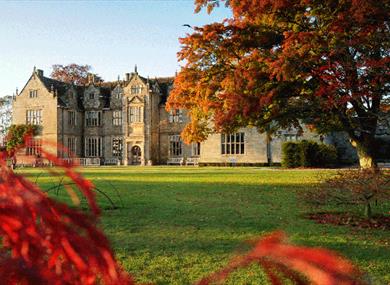 Wakehurst, Mid SussexThe light and airy Gallery displays botanical art and is Licensed for Civil Ceremonies and Civil Partnerships for up to 80 guests.

© Visit South East England 2026. All Rights Reserved